
Get Healthy!
- Posted July 23, 2026
Tongue Pacemaker Might Improve Sleep Apnea Patients' Health
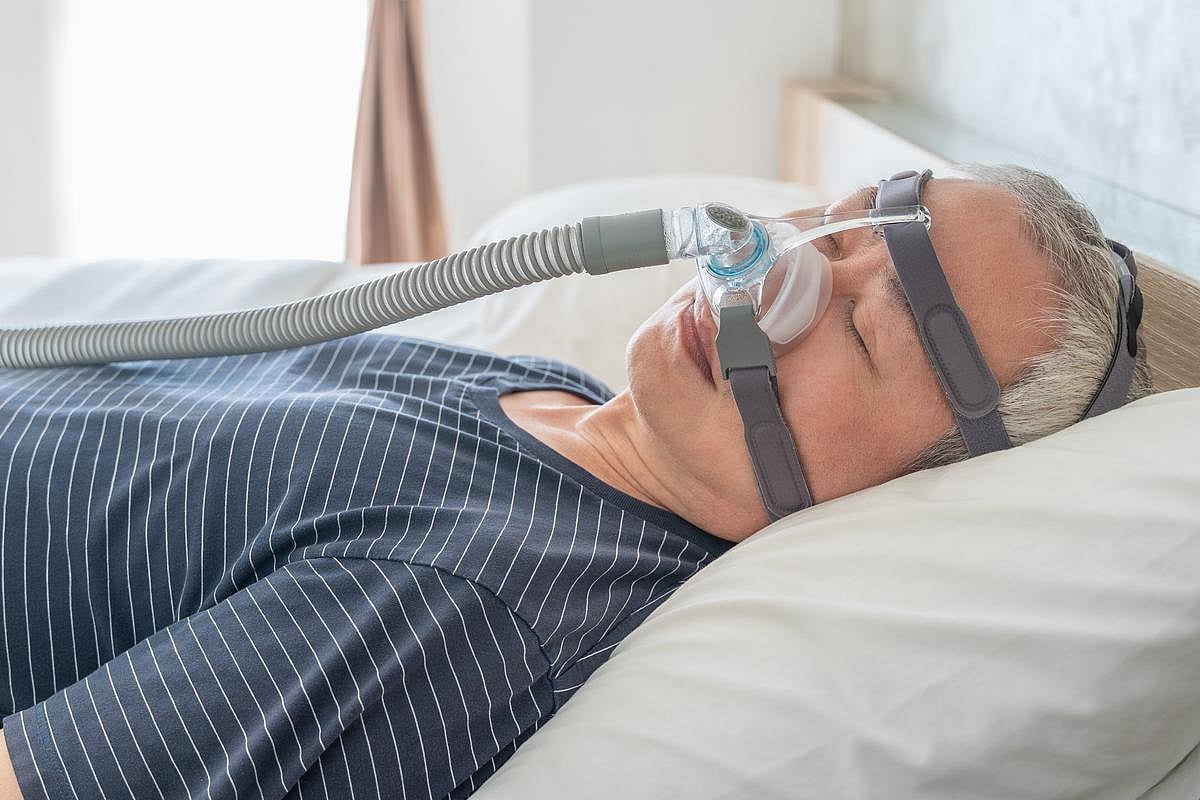
Do you have sleep apnea, but find CPAP machines too uncomfortable or noisy?
A pacemaker for the tongue might help improve your sleep and overall health, a new study says.
People who received a hypoglossal nerve stimulation (HGNS) implant for sleep apnea wound up with lower risk of diabetes or high blood pressure after two years of treatment, compared to those who struggled to use CPAP, researchers reported recently in JAMA Otolaryngology—Head & Neck Surgery.
These results support HGNS as an alternative to CPAP machines, which treat sleep apnea using a face mask that keeps the airways open through continuous air pressure, researchers argue.
“We all know how bad it feels when we sleep poorly, but obstructive sleep apnea is a silent danger we don’t talk about enough,” said lead researcher Dr. Neil Kondamuri, an otolaryngology resident at University of Chicago Medicine.
“We see people every single day who don’t like their PAP machine and say they are not using it,” he said in a news release. “If it’s such a poorly tolerated treatment option, we need another treatment that can provide similar or better downstream benefits.”
Sleep apnea occurs when a person’s airway relaxes and collapses during sleep, blocking their breath. This causes people to wake throughout the night, every time their oxygen levels dip.
Untreated sleep apnea has been linked to many heart health problems, due to the stress it places on the cardiovascular system, researchers said in background notes.
With HGNS, doctors wrap an electrode around the hypoglossal nerve, which helps control the tongue. Hypoglossal actually means “under the tongue,” according to Johns Hopkins Medicine.
The electrode is connected to a small implant placed under the skin of the patient’s chest, which sends a gentle electrical pulse to the nerve every time the person inhales. The pulse causes the tongue to push forward, keeping it from falling back and obstructing the airway.
For the new study, researchers compared nearly 3,400 sleep apnea patients treated with HGNS against a similar number of patients who were eligible for an implant but didn’t get one. People were eligible if they had sleep apnea but didn’t consistently use their prescribed CPAP machine.
Results showed that HGNS patients had an 81% lower risk of diabetes and a 51% lower risk of high blood pressure after two years of nerve stimulation.
“Studies demonstrate that if patients are not using PAP consistently and regularly — five to six hours per night most days of the week — they may not see the benefits we demonstrate with HGNS in preventing downstream health risks,” Kondamuri said.
“If you feel your PAP machine does not help you feel rested or you just want to hear about alternative options, talk to a sleep-trained otolaryngologist about what other treatments might work specifically for your anatomy and preferences,” he advised.
However, researchers noted that the current study’s time frame was too short to definitively link HGNS to long-term outcomes like lower risk of dangerous heart rhythm disorders, heart disease, heart attack or heart failure.
More information
Johns Hopkins Medicine has more about hypoglossal nerve stimulation.
SOURCES: University of Chicago Medical Center, news release, July 16, 2026; JAMA Otolaryngology-Head & Neck Surgery, July 16, 2026


